












 收藏
收藏 分享
分享

掃一掃加入微信交流群
與考生自由互動、并且能直接與專業(yè)老師進(jìn)行交流、解答。

咨詢電話:0531--69953363

成人高考院校專業(yè)指導(dǎo)專屬提升方案
未經(jīng)授權(quán)不得轉(zhuǎn)載,如需轉(zhuǎn)載請注明出處。
轉(zhuǎn)載請注明:文章轉(zhuǎn)載自 其它本文關(guān)鍵詞:
山東成考網(wǎng)申明:
(一)由于各方面情況的調(diào)整與變化本網(wǎng)提供的考試信息僅供參考,敬請以教育考試院及院校官方公布的正式信息為準(zhǔn)。
(二)本網(wǎng)注明信息來源為其他媒體的稿件均為轉(zhuǎn)載體,免費(fèi)轉(zhuǎn)載出于非商業(yè)性學(xué)習(xí)目的,版權(quán)歸原作者所有。如有內(nèi)容與版權(quán)問題等請與本站聯(lián)系。聯(lián)系方式:郵件429504262@qq.com
 上一篇:成人高考高起點(diǎn)英語誤用講解三
 下一篇:成人高考高起點(diǎn)英語誤用講解一
 延伸閱讀
延伸閱讀
2025年山東成人高考高起點(diǎn)《英語》真題及答案解析(考生回憶版)
2025-10-202025年山東成人高考高起點(diǎn)《語文》真題及答案解析(考生回憶版)
2025-10-202025年山東成人高考高起點(diǎn)《數(shù)學(xué)理》真題及答案解析(考生回憶版)
2025-10-202025年山東成人高考高起點(diǎn)《數(shù)學(xué)文)》真題及答案解析(考生回憶版)
2025-10-202024年山東成考高起點(diǎn)《語文》古詩詞專項練習(xí)題及答案3-3
2024-08-19
2022年成考VIP班
講師:張老師,周老師,何老師,繆老師,雷老師,吳老師,楊老師,易老
特色:名師輔導(dǎo)3階段系統(tǒng)教學(xué),4項紙質(zhì)版配套資料贈送,實(shí)力考證
立即報名
| 課程名稱 | 課程 | 講師 | 查看課程 |
|---|---|---|---|
| 2023年成考考前一個月備考規(guī)劃(下) | 陳文老師 | 36課時 | 查看詳情 |
| 2023年成考考前一個月備考規(guī)劃(上) | 陳文老師 | 36課時 | 查看詳情 |
| 2022成人高考專升本《生態(tài)學(xué)基礎(chǔ)》考情分析 | 36課時 | 查看詳情 | |
| 2022成人高考專升本《藝術(shù)概論》考情分析 | 孫老師 | 36課時 | 查看詳情 |
| 2022成人高考專升本《民法》考情分析(2) | 36課時 | 查看詳情 | |
| 2022成人高考專升本《民法》考情分析(1) | 36課時 | 查看詳情 | |
| 2022年成人高考專升本《教育理論》考情分析 | 張老師 | 36課時 | 查看詳情 |
2022年成考VIP班
講師:張老師,周老師,何老師,繆老師,雷老師,吳老師,楊老師,易老
特色:名師輔導(dǎo)3階段系統(tǒng)教學(xué),4項紙質(zhì)版配套資料贈送,實(shí)力考證
立即報名
| 課程名稱 | 課程 | 講師 | 查看課程 |
|---|---|---|---|
| 高起專VIP直播班 | 蔣老師 | 36課時 | 查看詳情 |
| 專升本(藝術(shù)類)VIP班 | 蔣老師 | 36課時 | 查看詳情 |
| 專升本(文史類)VIP班 | 蔣老師 | 36課時 | 查看詳情 |
| 高起本VIP直播班 | 蔣老師 | 36課時 | 查看詳情 |
| 專升本(法學(xué)類)VIP班 | 蔣老師 | 36課時 | 查看詳情 |
| 專升本(教育類)VIP班 | 蔣老師 | 36課時 | 查看詳情 |
| 專升本(農(nóng)學(xué)類)VIP班 | 蔣老師 | 36課時 | 查看詳情 |
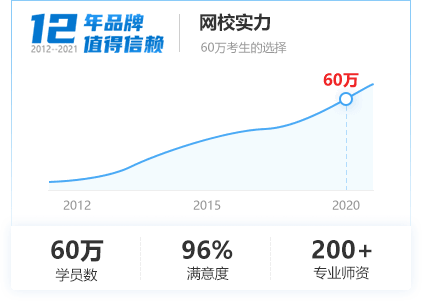
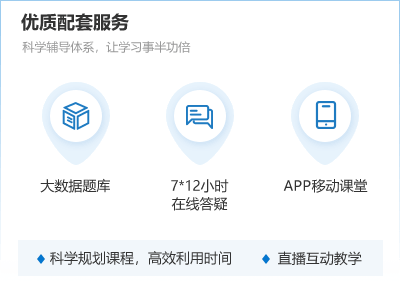
優(yōu)
優(yōu)質(zhì)老師授課專
專業(yè)教學(xué)體系高
高性價比課程七
7天保障暢學(xué)無憂
掃一掃加入微信交流群
與考生自由互動、并且能直接與專業(yè)老師進(jìn)行交流、解答。
掃一掃加入微信交流群
與考生自由互動、并且能直接與專業(yè)老師進(jìn)行交流、解答。

山東考生在線服務(wù)
專升本咨詢
高起專/本咨詢
學(xué)校專業(yè)咨詢
考前輔導(dǎo)咨詢
復(fù)習(xí)禮包領(lǐng)取
報名入口

掃碼立即關(guān)注公眾號
掃碼立即加入交流群
公眾號
交流群

回到頂部

關(guān)注公眾號
服務(wù)時間08:00-24:00
微信公眾號
考生交流群

免費(fèi)課程/題庫
微信掃一掃
傳愛公司統(tǒng)一信用代碼:91360102054430989E 出版物許可證:新出發(fā)零字第 011299號
投訴中心
掃碼領(lǐng)取
掃碼進(jìn)入易職邦小程序
微信掃碼,點(diǎn)擊立即參與領(lǐng)取
掃碼領(lǐng)取
掃碼進(jìn)入易職邦小程序微信掃碼,點(diǎn)擊立即參與
